
 All blog stories
Summer Homeowner Checklist

Summer is a time for enjoying and relaxing in your home, but it’s also an opportune time to plan ahead and maintain your home so it’s in tip-top shape.
This sets you up for unexpected emergencies when harsher weather arrives. It also ensures your summer barbecues and parties go off without a hitch.
From cleaning your gutters to air conditioning tune-up, follow this summer homeowner checklist.
💡 Leveraging your home equity doesn't have to mean replacing your mortgage or sacrificing your low rate. An HEI offers homeowners who want to preserve their current mortgage an option to access their equity with no added monthly payments.
Tune up your air conditioning

Just like you would service your car for an oil change to keep it in good running order, you should also do regular checks on your air conditioning (AC) unit or HVAC system.
Clean or replace filters. Clean or replace filters regularly for optimal airflow and clean any debris around the outdoor unit.
The general recommendation is changing the filter every 90 days, but you may need a more frequent cadence if you have pets that shed.
A reusable furnace or AC filter varies anywhere between $20 to $120.
Do this sooner than later to ensure you don’t end up with a broken or inefficient AC in the next unexpected heat wave.
Call an HVAC technician. Call your local HVAC company to look at your AC unit. A technician comes to your home and inspects, cleans, and services your AC unit to ensure it performs well.
The summer heat can make your home work extra hard, so when the weather is still warm, consider getting your heating system serviced, too.
Clean your air ducts, vents, and exhaust fans

Your AC and air ducts go together to run as efficiently as possible. Cleaning your air ducts and vents are a necessary step to reduce clogged filters and general wear and tear on your AC unit.
Use this opportunity to also clean your washer and dryer vents. You can do it yourself with a strong vacuum or a drill brush. If you don’t have the tools or if your ducts are difficult to reach, you may need to hire a professional.
Check and clean gutters
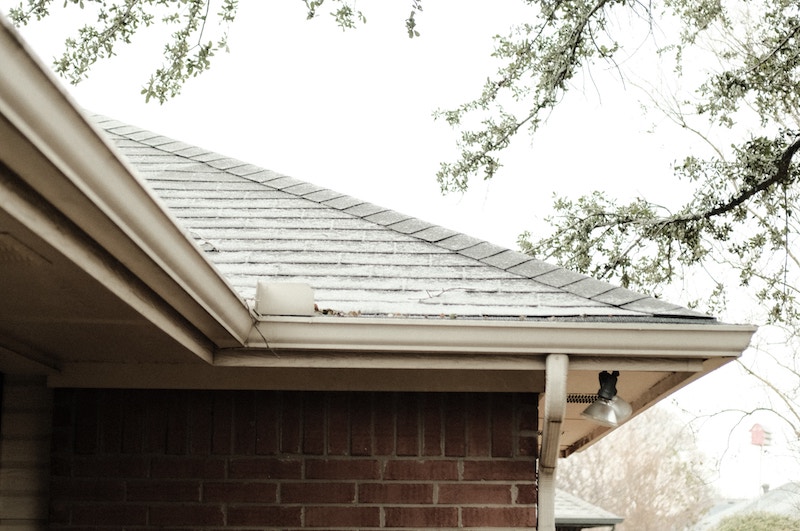
Spring showers can leave your gutters clogged with mud, debris, leaves, and other materials that may lead to water damage and potential leaks.
Scoop them out with gloves or clean them with a hose or pressure washer, or hire someone to do it for you. Arrange for any repairs promptly to avoid water leaks during summer storms.
You’ll also want to clean out the gutters and downspouts to prevent clogs and ensure proper water drainage.
Your gutter system includes gutter guards, downspouts, and gutter extensions.
If all is working well, water should flow through nicely and out, at least 5 feet away from your house.
Clean and seal your windows

Clean the inside and outside of your windows to give you a clearer view and let in more light.
Check for any gaps or cracks around windows and doors. If you find any, seal them with weatherstripping or caulk. This will help prevent cool air from escaping and warm air from entering your home.
Consider adding blinds or shutters to block out the sun during extremely hot days. According to Energy.gov, you can reduce heat gains by 33% by choosing medium-colored drapes with white plastic backing.
Deep clean your kitchen appliances

Wash your range hood filter. If your stovetop filter is yellowish or feels sticky, it's time to clean it. The filter might be covered in oil and grease, which can build up over time.
To clean it, simply pop it off and soak it in soapy water for 20 minutes. Then, rinse and put it back in place.
Wipe refrigerator coils. Built-up dirt on your refrigerator coils can reduce the efficiency of your refrigerator, leading to higher energy bills, and potentially a decrease in the lifespan of your appliance.
The coils are located at the back of the refrigerator, but they can also be found on the top or bottom. To clean them, simply unplug the refrigerator and vacuum or wipe away the dust.
You should clean the coils once a year.
Check for basement moisture

You’ll most likely be able to determine if your basement has a moisture problem by smelling it. Check for a dank, musty smell.
Add a dehumidifier. A dehumidifier can help keep moisture within the ideal range of 30% to 50% humidity.
Inadequate ventilation, cracked foundations, and poor drainage can contribute to a moist basement, but identifying the cause can be tricky.
If a dehumidifier doesn’t reduce moisture or if there are signs of mold, it’s probably time to call an HVAC professional for an inspection.
Check for cracked, peeling, discolored, or moldy caulking on the main living level, particularly around the sink, shower, and tub.
These things can all lead to moisture damage and rot. Replace failing caulking with new waterproof and mold-resistant caulking.
Inspect your roof
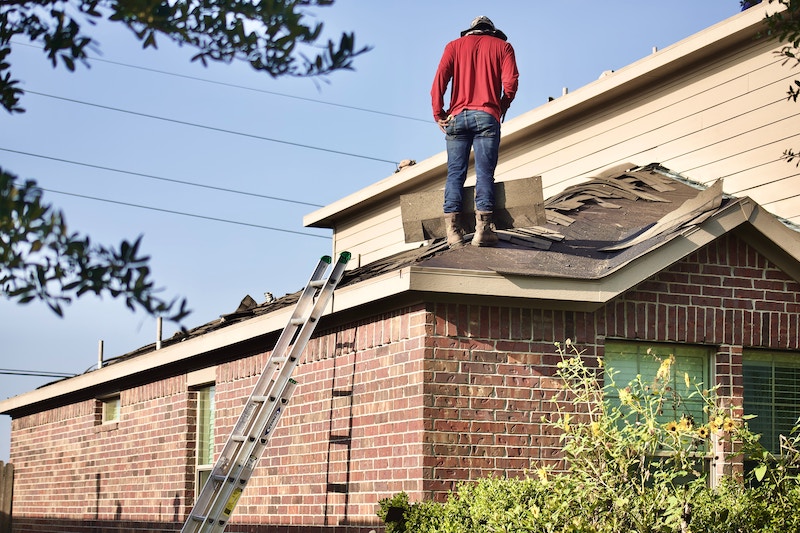
Roofs are generally low-maintenance, but they do need to be inspected regularly.
Check for these roof problems. If you find them, consult a professional.
Missing or loose shingles. Shingles that are missing or loose can allow water to leak into your home.
Damaged flashing. Flashing is the metal that helps to seal around windows, chimneys, and other roof openings. If the flashing is damaged, it can also allow water to leak into your home.
Discoloration or mold in the attic. This is a sign that your roof is not watertight and that moisture is getting into your attic.
Missing insulation in the attic. Insulation helps to keep your home warm in the winter and cool in the summer. If the insulation is missing, your home will be less energy-efficient.
Clean and prepare your outdoor living spaces and appliances

Clean your grill. Prepare your grill for summer barbecues by cleaning the grates and removing any built-up grease or residue.
Check the propane or gas supply and make sure all connections are secure. Repair any damaged or worn-out decking or fencing to ensure safety and longevity.
Powerwash and seal your deck. Don't forget to give your deck a much-needed makeover with a power wash and sealant.
Over time, decks accumulate dirt, grime, and weathering, which can detract from their beauty and compromise their longevity.
Sealing is a vital step in maintaining the beauty and durability of your deck, protecting it from the harsh effects of weather, foot traffic, and daily wear and tear.
Spruce up and maintain your grounds
Trim your hedges and trees away from your house to prevent damage from branches and improve ventilation. This will also help with your curb appeal.
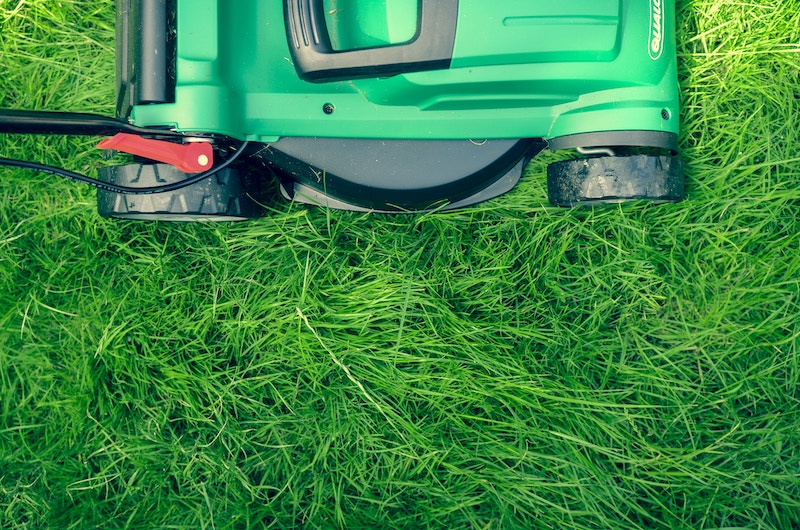
Mow the lawn regularly to keep it healthy and prevent weed growth.
Water plants and flowers according to their specific needs and consider using mulch to retain moisture and reduce weed growth.
This is also a good time to deadhead your flowers that are past their prime blooms.
Check your irrigation systems
Sprinkler systems are an essential part of lawn care and can be costly to repair if they're not working properly. Inspect and test your sprinkler system regularly by checking for leaks.
Walk around your lawn and look for any obvious wet spots or uneven areas of grass. Then assess the sprinkler heads and make sure they spray the water evenly.
Double-check timers or schedules and make adjustments — especially if it’s been rainier than usual.
Test and inspect smoke detectors
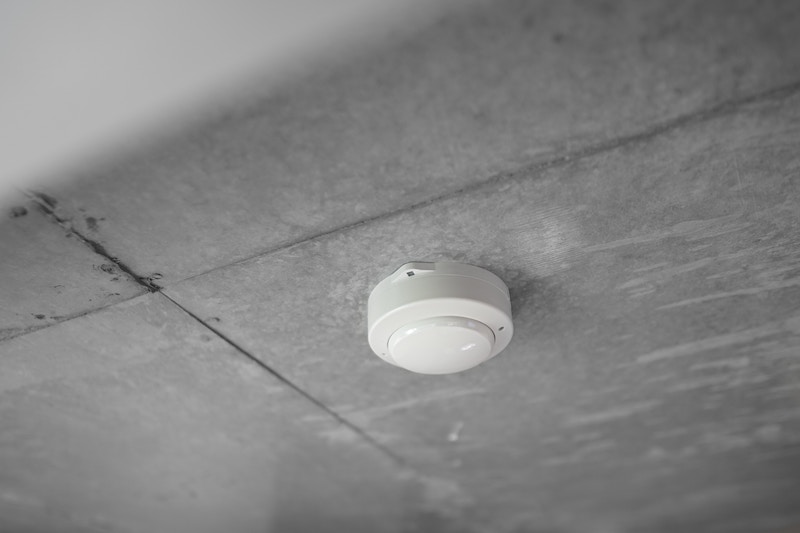
Make sure smoke detectors and carbon monoxide alarms work by pushing the test button. The alarm should sound and it should display “OK.”
While you’re at it, give them a fresh set of batteries. If your smoke detectors or carbon monoxide alarms are more than 10 years old, replace them with newer ones.
Schedule pest control
Summer often comes with unwanted guests. Here are a few things you can do to keep the pesky pets away.
Inspect your home's exterior for any signs of pests and take preventive measures.
Clear away any standing water to deter mosquitoes and other insects.
Seal cracks and gaps in your home's foundation and around doors and windows to prevent pest entry.
Schedule your regular maintenance with a professional.
Your essential summer homeowner checklist
When the weather is favorable, get going on fixing and cleaning what you can to maintain your home’s efficiency in the warmer months.
It can set you up for a better winter and summer next year, plus you can save on utility bills.
So, take a little time to tackle these tasks and ensure a stress-free and enjoyable summer season in your home.
Here’s an easy-to-reference checklist you can use:

Want to stay in the loop on the latest here at Splitero? Well
you've come to the right place. Because who doesn't like free
advice and help. No spam, we promise.
