
 All blog stories
What is a Hybrid Appraisal?
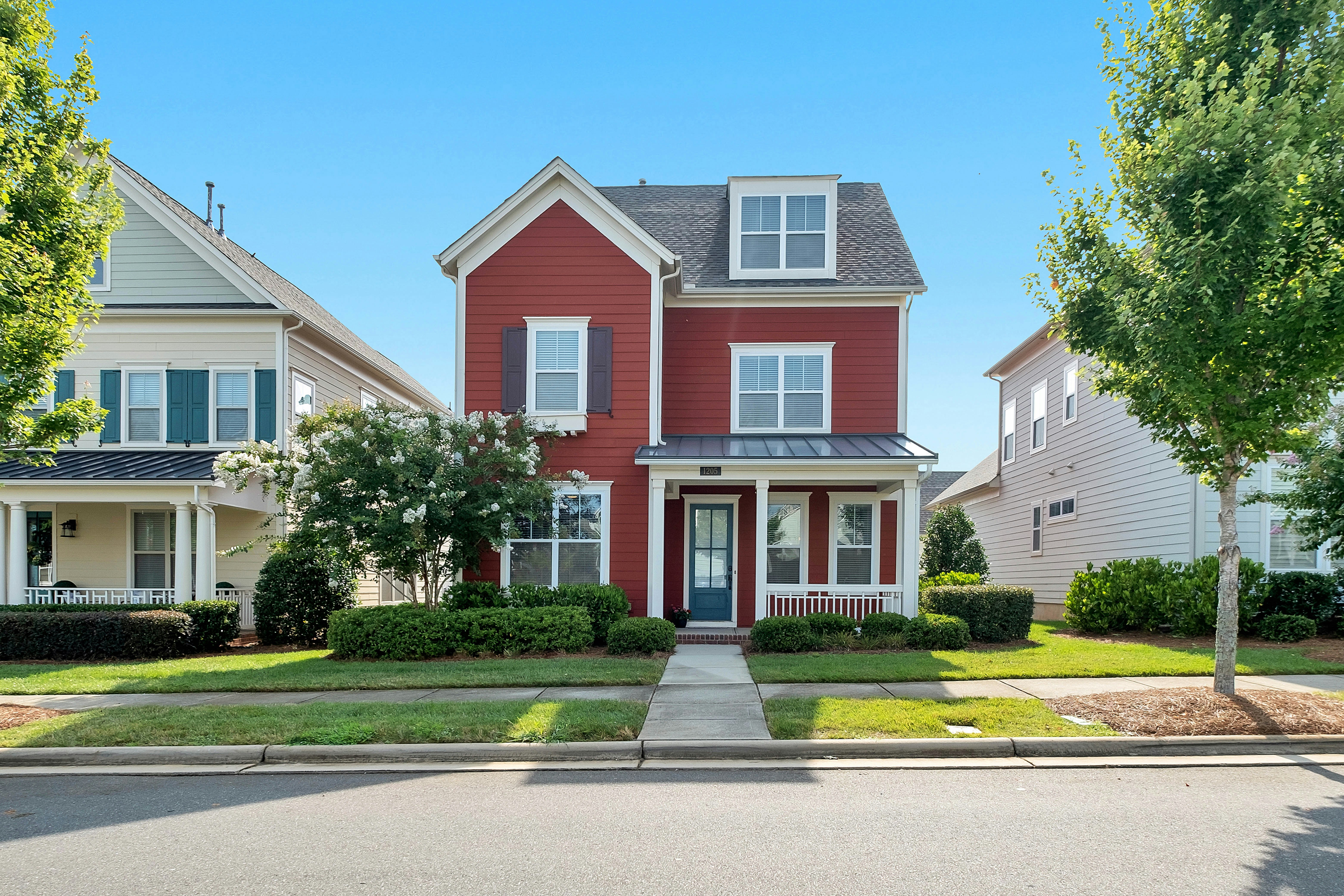
A hybrid appraisal is a modern real estate valuation approach that combines traditional appraisal expertise with digital data collection methods.
In a hybrid appraisal, a third-party inspector visits the property to gather information (photos, measurements, and notes on condition). Then a licensed appraiser uses that data, along with public records and comparable sales, to complete the valuation remotely.
The goal is to deliver a credible home value faster and often at lower cost than a standard appraisal, without sacrificing the professional judgment of a human appraiser.
In this article, we’ll break down exactly what hybrid appraisals are, how they work, and when and why they’re used. Additionally, we’ll outline what to expect if you’re working with a firm, like Splitero, that uses hybrid appraisals as part of the process to access your home equity.
💡 Curious how much equity you could access? An HEI can provide cash today while you keep your existing mortgage in place, and without adding a monthly payment.
In this article
Key Takeaways
For a hybrid appraisal, a trained third-party conducts an on-site inspection and gathers property data for a licensed appraiser, who uses that data, along with public records and comparable sales, to complete the valuation remotely.
By eliminating the appraiser’s need to travel and inspect the home personally, hybrid appraisals can be completed in as little as 3–5 days instead of the typical week or more required for a traditional appraisal.
Hybrid appraisals won’t replace traditional appraisals in all cases. Many lenders embrace hybrids, but certain financing options, such as Federal Housing Administration loans, often require traditional appraisals.
What is a hybrid appraisal and how does it work?
A hybrid appraisal is a home valuation in which a third-party on-site property inspection is performed, and a licensed appraiser completes the analysis remotely. This hybrid appraisal process leverages both a physical inspection and digital resources (such as comparable sales data, neighborhood data, and more) to streamline traditional real estate valuation. In other words, it’s a two-part process:
A property inspector visits your home to document its features and condition. They compile a report and share it with a licensed appraiser.
A licensed appraiser uses the information from the inspector, plus other market data, to create a comprehensive report and determine your home’s value.
Like a traditional appraisal, a professional still comes to your home to take photos and notes. The difference is that the person is usually not the appraiser themselves, but a third-party inspection agent. They’ll observe the property’s interior and exterior, measure rooms, photograph the home, and identify any noticeable improvements or issues.
Meanwhile, the licensed appraiser (who may be located elsewhere) focuses on the research and analysis. Using the inspector’s report, the appraiser verifies details like square footage, condition, and updates. They pull comparable sales and neighborhood data, then apply their expertise to adjust for differences and form an opinion of value, just as they would in a traditional appraisal.
The appraiser signs the final hybrid appraisal report and ensures the entire appraisal process meets the same standards as a traditional appraisal, following Uniform Standards of Professional Appraisal Practice (USPAP) guidelines.
A brief history of hybrid appraisals
Hybrid appraisals emerged in the mid-to-late 2010s to solve a key problem: traditional appraisals were getting expensive and slow.
Hybrid approaches, initially used as a valuation tool for default scenarios or foreclosures, were developed as an alternative to expedite the process. By 2019, some lenders and appraisal management companies began testing hybrid models. The approach gained more traction during the COVID-19 pandemic, when in-person visits were difficult. Regulators allowed remote inspections and “desktop appraisals” to keep the industry moving, paving the way for the broader adoption of hybrid methods.
Today, hybrid appraisals are formally endorsed by major institutions. Fannie Mae, for example, now offers a hybrid appraisal option as part of its property valuation modernization efforts. In Fannie Mae’s program, a third-party data collector provides the required inspection, and then an appraiser completes a “1004 Hybrid” appraisal report using that data. The process is designed to maintain appraisal credibility while reducing turn-times for borrowers.
Thanks to such efforts, hybrid appraisals have transitioned from experimental to mainstream, with a proven track record of use in home equity lending, portfolio valuations, and more over the past decade. However, the Appraisal Institute has pointed out that while hybrids are growing, evidence on cost/time benefits is still developing, and there are concerns about data quality and independence when hybrid appraisal processes are not implemented effectively.

Curious how much equity you could access?
Pre-qualify in as little as 2 minutes with no impact on your credit.
Hybrid vs. traditional appraisals: What’s the difference?
The biggest differences between hybrid and traditional appraisals are who performs the inspection and the speed of the process.
In a traditional appraisal, the appraiser is a "one-person show," handling scheduling, travel, inspection, and analysis. In a hybrid appraisal, the workflow is distributed; a third-party inspector handles the site visit, allowing the appraiser to focus on the valuation.
Because the appraiser doesn't have to drive to the property, hybrid appraisals can be completed much faster, often in just 3–5 days, compared to several days or weeks for traditional appraisals. They can often be more cost-effective, but this will depend on the service provider and your lender. For example, the U.S. Department of Veterans Affairs sets price limits on appraisals that may vary by state.
Appraisal fees for any type of appraisal can vary widely by state, depending on demand and local availability of appraisers.
| Traditional Appraisal | Hybrid Appraisal | |
|---|---|---|
| Estimated Cost | $350–$600 (residential); $1,000+ (complex properties) | $200+, usually between $250 and $375 |
| Time Required | Several days to weeks | 3–5 days |
| Physical Inspection | Yes – detailed interior and exterior | Yes – detailed interior and exterior |
| Property Condition | Fully assessed by an appraiser | Assessed by an inspector and reported to the appraiser |
| Unique Features | Captured and valued | Captured and valued |
| Recent Renovations | Identified and considered | Identified and considered |
| Local Market Expertise | Appraiser’s professional judgment | Appraiser’s professional judgment |
| Data Sources | Comps, physical inspection, local knowledge, third-party data (public records, MLS, tax data, historical sales, etc.) | Comps, physical inspection, local knowledge, third-party data (public records, MLS, tax data, historical sales, etc.) |
When and why hybrid appraisals are used
Lenders turn to hybrid appraisals when they want to speed up the valuation process without sacrificing reliability. They are most commonly used in the following situations:
Home equity financing: For options such as HELOCs, home equity loans, refinances, or home equity investments, lenders often don't need the exhaustive process of a full appraisal. Hybrids offer a faster turnaround. When a homeowner has significant equity (lowering the lender's risk), a hybrid appraisal saves time and cost while still providing a licensed appraiser's opinion.
Rural or High-Demand Areas: In areas with few appraisers or high-density markets where demand is high, hybrids help expand valuation services.
Risk Management: Some lenders use hybrids as a second opinion or "quality check" on other valuations.
When traditional appraisals are required
Despite the advantages of hybrid appraisals, they cannot replace traditional appraisals in all scenarios.
Government-backed loans: Federally related mortgage transactions, such as most FHA and VA loans, typically still require a full traditional appraisal and do not accept hybrids. In some cases, though, some VA loans may allow for alternative valuation options.
Unique or complex properties: If a home is highly unusual, such as a luxury estate with no comparable sales or a historic property, lenders often require a traditional appraisal to ensure that no nuances are missed.
Significant renovations: Properties undergoing major renovations or new construction often require the direct observation of a licensed appraiser.
How Splitero uses hybrid appraisals
To move forward with a Splitero investment, we need an up-to-date figure of your home’s current value to accurately calculate the equity you have.
In many straightforward cases, we can use automated valuation models (AVMs) that look at recent sales, public records, and market data. If your home is more complex, higher-value, or you’re planning renovations, we may instead order a hybrid appraisal.
In that case, a licensed inspector will visit your home to take photos and measurements, and a certified appraiser will use that information, along with comparable sales, to determine the value.
In some cases, we may determine that your home doesn’t require an inspector to visit in person, and we will instead ask you to provide photos of the interior and exterior of your home to a certified third-party. Once your photos are submitted, an appraiser will review your file and finalize your valuation.
Once everything is reviewed, your final value is shared with you in your closing documents.

A better path to your home equity
Keep your current mortgage and rate. Pre-qualify in as little as 2 minutes with no impact on your credit.
How to prepare for a hybrid appraisal
Preparing for a hybrid appraisal is very similar to preparing for a traditional one. The goal is to allow for a thorough inspection so the remote appraiser gets an accurate picture of your home.
Treat it like a regular appraisal: The inspector needs to see the same things an appraiser would. Make sure an adult is present to let them in.
Ensure access: Unlock gates, basements, and crawlspaces. The inspector needs to photograph each room and key area. Secure pets to avoid distractions.
List your improvements: Since you won't speak to the appraiser directly, write down a brief list of recent upgrades (e.g., new HVAC, kitchen remodel) and give it to the inspector to pass along.
Have documents ready: While not always necessary, having copies of prior surveys or floor plans can be helpful if your home has a unique layout.
If your appraisal company only requires you to take photos yourself and submit those photos to them, similar guidelines apply:
Tidy up: Like a regular appraisal, you want to be sure the appraiser can see everything they need to. Ensure every photo reveals as much information as possible about each room and feature of your home.
Document major improvements or updates: Take clear photos and include any written information about what improvements were made and when.
Frequently asked questions
Are hybrid appraisals accepted by all lenders?
Not universally. Fannie Mae and Freddie Mac accept them for many conventional loans and home equity financing companies also typically leverage them for valuation processes, but government-backed loans (FHA/VA) typically still require traditional appraisals.
Do hybrid appraisals cost less than traditional appraisals?
In many cases, yes. Because the licensed appraiser doesn't have to travel, fees are often lower than those for full appraisals.
How long does a hybrid appraisal take?
Typically, just a few days to a week. The inspection can happen quickly, and the appraiser can start analysis immediately, often resulting in a 3–5 day turnaround.
Are hybrid appraisals as accurate as traditional appraisals?
Yes, as long as they are done on appropriate properties. They are performed by licensed appraisers who follow professional guidelines.
What is the difference between a hybrid appraisal and a desktop appraisal?
A desktop appraisal relies solely on existing data (like public records) with no new inspection. A hybrid appraisal includes a new, on-site inspection by a third party, making it more robust than a desktop valuation.
Want to stay in the loop on the latest here at Splitero? Well
you've come to the right place. Because who doesn't like free
advice and help. No spam, we promise.
